
Where they look alike
Both stories like to see something through. Each takes a hand in what happens next, rather than waiting for it. Neither is content to leave a task to chance.
From the outside, the two can look alike. Someone organising a sponsored walk might be drawn to the challenge of the distance. They might also be drawn to arranging the day so it runs smoothly. That shared ground is why the Hero vs Ruler archetype question is worth asking.
They sit in different families. The Hero belongs to the Striving family: making a mark or making change happen. The Ruler belongs to the Steadying family: giving care, form and order to things.
So the difference lies in what each story is drawn to. The Hero story is drawn to the effort itself. The Ruler story is drawn to an arrangement that others can work within. One meets the hard part; the other gives the whole task a shape.

How the difference shows in everyday moments
Each of these ordinary moments looks a little different through each story. Neither reading is the right one.
Moving house
The Hero story takes on the heaviest boxes and the narrow stairs. The Ruler story labels the boxes and agrees who carries what, and when.
A weekend bike ride
The Hero story chooses the route with the long hill. The Ruler story settles the meeting time and the place for lunch, and leaves the rest open.
A garden in spring
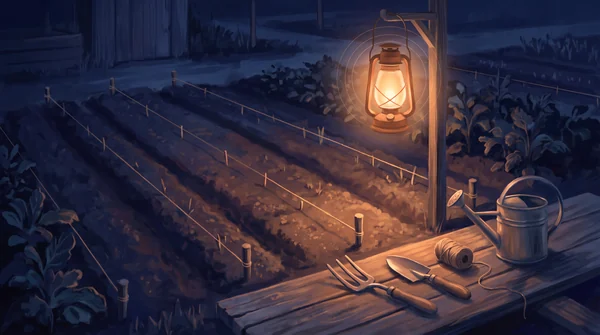
The Hero story digs over the hardest corner of the plot. The Ruler story marks out the rows with string and decides what goes where.
A street party
Neighbours get ready for an afternoon together. The Hero story takes on the task nobody else wanted. The Ruler story draws up a short list of who brings what.

What each can bring
The Hero story can bring a direction for chosen effort. A goal gives the next step a purpose. Effort can also be part of the enjoyment, before there is any result.
The Ruler story can bring a shared starting point. Settling a few choices makes the rest of the conversation easier. A clear owner for a task can reduce the decisions around it.
Together they make a useful pair. One supplies the effort; the other gives that effort a shape that others can join.
Where each may get in the way
For the Hero story, watch for letting difficulty become the measure of every experience. A harder route offers one kind of afternoon; an easy one offers another. The two do not need the same measure.
For the Ruler story, watch for asking a first plan to settle every later choice. A plan can include a time to think again. Some details can stay fixed while others are reconsidered.
Neither of these is a fault. Each marks the point where a strength goes further than the moment needs.
When both stories meet
The two stories are ideas to compare, not boxes to choose between. A clear plan can give a challenge its place in the week. A challenge can give a plan something worth organising.
Picture friends getting ready for a long walk together. One looks forward to the steepest stage. Another sets the dates, the meeting points and a time to check how everyone feels. The effort came from one story; the shape came from the other.
Read both stories
Each story page follows its archetype through an everyday scene, with a question to take with you.
See your own result
48 short statements. Your full result is free. No account needed.
Take the free archetype test