
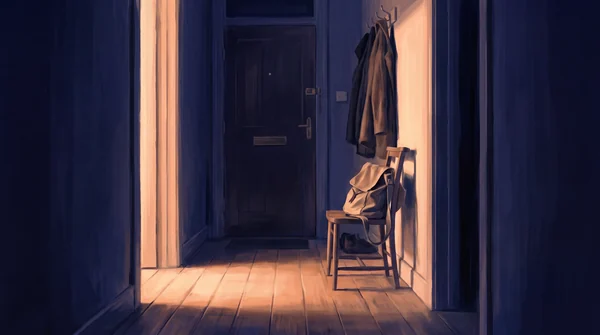
What change is reaching towards
The Magician archetype stands for change and transformation. The story imagines a different version of something familiar. A room, an activity or a routine could work another way. A possibility becomes interesting before its whole shape is known.
The new version might need one adjustment or a larger rearrangement. Neither size settles whether it is useful. The question is what the change offers in the situation, rather than how much it alters.
This gives imagination a purpose to consider. A changed space can support an activity. A different sequence can make a routine fit another need. The idea has something to aim towards beyond becoming new.
Giving a possibility a clear purpose
A familiar difficulty can gather several possible answers. Naming what the change is for makes those answers easier to compare. Each one has to meet the same practical question about the experience it should offer.
That is different from assuming an appealing idea is already an improvement. A possibility deserves a chance to be considered. Its place becomes clearer when there is something specific to notice after trying it.
A change earns its place in the life that follows it.
When everything becomes a possible project
A possible tension appears when noticing what could change starts deciding what needs changing. An arrangement might be imperfect and still serve its purpose. Another version can be interesting without needing a place in the week.
A project can also gather extra ideas while it is under way. Each new detail adds another choice. Returning to the original purpose helps separate what belongs now from what could remain a different possibility.
There is room to leave something alone. That choice can keep attention available for a change that actually matters. The story becomes more useful when imagination has options rather than an instruction to alter everything it touches.
The new version needs an ordinary life
A changed arrangement still needs to work after the interesting part of making it is over. An object needs using; a routine needs fitting into a day. Those details give the idea information that planning alone cannot supply.
The useful question becomes what the arrangement asks for in ordinary use. Something attractive might need more upkeep than expected. A smaller change might serve the purpose with less to maintain. The experience gives the next decision a clearer basis.
A shared change has more than one point of view
Several people can use the same arrangement for different purposes. What feels awkward to one might be useful to another. Asking what needs keeping gives a proposed change more to account for before it takes a final form.
This leaves room for a change that includes other choices. One part can stay familiar while another is tried differently. The story does not require everyone to want the same new version before a useful discussion can begin.
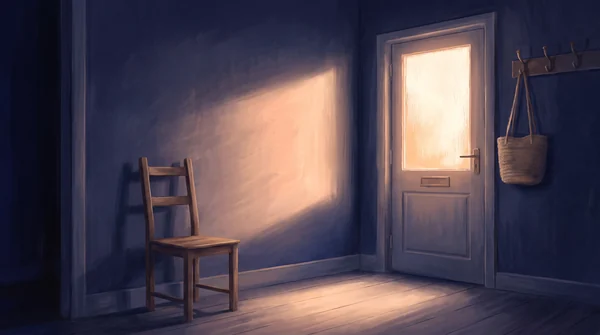
The chair becomes a chair again
The bag now sits near the door. After a few ordinary days, it is clearer whether that spot suits the routine. Perhaps it does. Perhaps another position would fit better. Either way, the purpose guides the next adjustment.
The Magician story can end with a modest change rather than a dramatic before and after. Something works differently in a way worth keeping. The rest of the entrance can remain exactly as it was.
A question to take with you
What should this change offer once it becomes part of an ordinary day?
A small idea to try: Give one possible change a purpose. Decide which part to try and which part to leave alone while you find out what it offers.
Related stories
Common questions
Does the Magician story mean unusual powers or special insight?
No. Here it concerns imagining and making changes. The free exercise does not measure influence, exceptional insight or control over outcomes.
Does a larger change express the story more strongly?
Size alone does not settle the meaning. A small adjustment and a larger change can each serve a clear purpose. The useful comparison concerns what they offer.
A change you're in the middle of is also one of the everyday topics in the personal guide. About the personal guide
See your own result
48 short statements. Your full result is free. No account needed.
Take the free archetype test